The 1980s were a Golden Era for WWE, catapulting professional wrestling into the mainstream, and transforming it into a global phenomenon. Iconic moments like Hulk Hogan's body slam of André the Giant at WrestleMania III or the birth of the first-ever WrestleMania have been etched into the annals of history.
RELATED: 5 Cringe-Worthy WWE Attitude Era Storylines We Can't Forget (& 5 That Were Pure Gold)
Yet, tucked away in the vibrant tapestry of '80s wrestling are lesser-known episodes that, while fascinating, rarely get the spotlight. From overlooked storylines to audacious gimmicks, these forgotten moments add depth and nuance to a decade that shaped wrestling as we know it today.
9 Adrian Adonis' Flower Shop
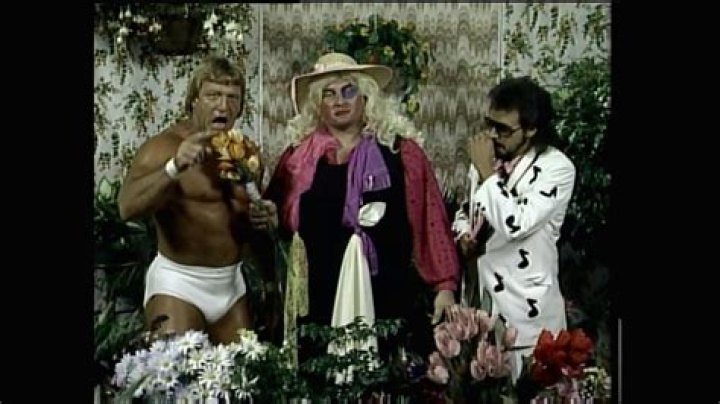
In 1986, Adrian Adonis introduced wrestling fans to "The Flower Shop," a talk-show segment that became part of WWE programming as an alternative to "Piper's Pit." Hosted by Adonis, himself a flamboyant and controversial figure, the segment was a stage for key storylines and feuds.
REALTED: Adrian Adonis Accident Survivor Tells His Story On Dark Side Of The Ring
Although it had a shorter lifespan than "Piper's Pit," "The Flower Shop" made a lasting impact by being the backdrop for pivotal moments, such as Paul Orndorff turning on Hulk Hogan. Adonis' unique hosting style and the show's unconventional set design—filled with flowers and pastel colors—added a different flavor to WWE storytelling. Despite its brief run, "The Flower Shop" remains an intriguing chapter in the tapestry of 1980s professional wrestling.
8 Corporal Kirchner vs. Nikolai Volkoff In A Flag Match
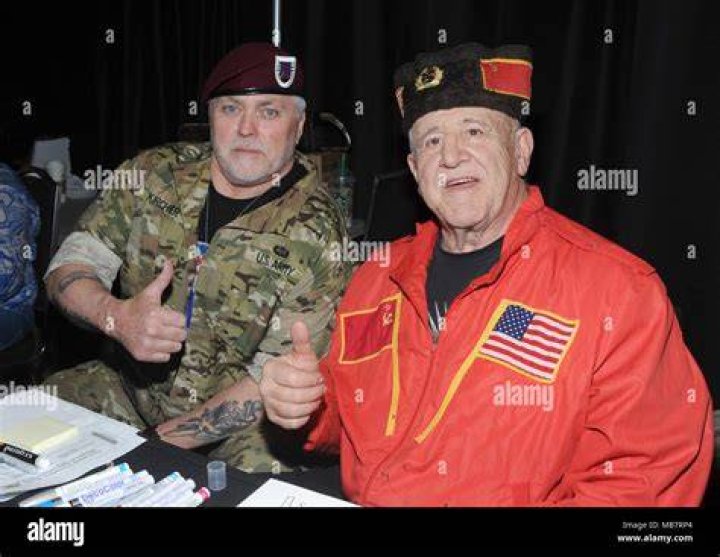
In 1985, during the height of the Cold War, a wrestling match encapsulated the geopolitical tensions between the United States and the Soviet Union. The bout featured Corporal Kirchner, representing the U.S., and Nikolai Volkoff, who portrayed a Soviet sympathizer, in a flag match.
In this specialized match, the objective was to capture the opponent's flag, which was placed at opposite corners of the ring. The event served not just as entertainment, but also as a reflection of the larger patriotic fervor and anti-Soviet sentiments prevalent in the United States at the time. Although not as often cited as other iconic moments, this showdown remains a noteworthy relic of its era, capturing the zeitgeist in the wrestling ring.
7 Paul Orndorff Turns On Hulk Hogan
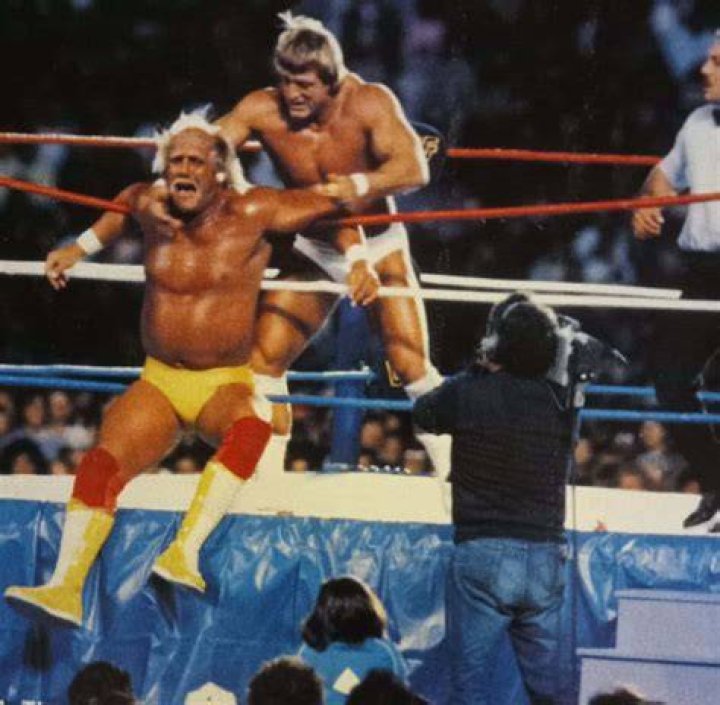
In 1986, professional wrestling fans witnessed one of the era's most memorable betrayals when Paul Orndorff turned on his tag team partner, Hulk Hogan. The shocking event occurred during a televised tag team match. Orndorff, frustrated and envious of Hogan's rising stardom, attacked him with a piledriver, effectively dissolving their alliance.
RELATED: 5 Wrestling Betrayals That Broke Our Hearts (& 5 We Secretly Cheered For)
This act ignited an intense feud between the two that would continue for months, featuring in various high-profile matches, including steel cage bouts. The storyline was fueled by Orndorff's betrayal and capitalized on the immense popularity of Hogan, making it one of the significant feuds of the mid-1980s. This rivalry not only highlighted the volatility of tag team partnerships but also served to further solidify both wrestlers' statuses as main event superstars.
6 Ken Patera's Fast-Food Incident
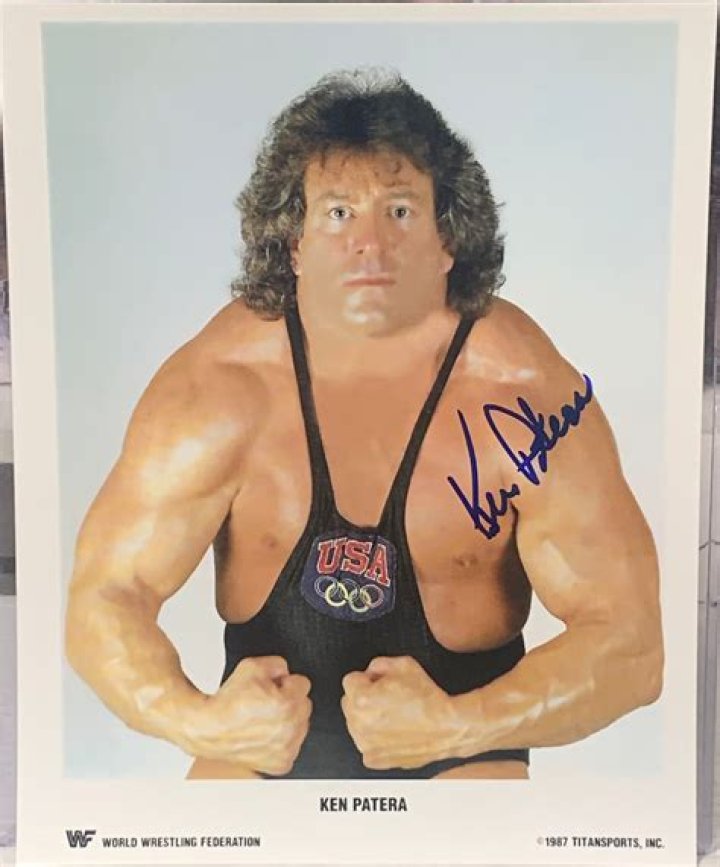
In 1984, Ken Patera, a former Olympic weightlifter turned professional wrestler, found himself in a scandal that significantly impacted his wrestling career. The incident occurred at a McDonald's restaurant where, after being refused service, Patera threw a boulder through the establishment's window. The event led to Patera's arrest and subsequent legal troubles, including a conviction for criminal damage and assault. He was sentenced to serve time in prison, effectively sidelining his wrestling career for over two years.
The episode was highly publicized at the time and served as a cautionary tale within the wrestling community. Although Patera eventually returned to the ring, the incident marked a notable disruption in his career and remains a forgotten yet consequential episode in 1980s wrestling history.
5 SD Jones Gets Squashed At WrestleMania I
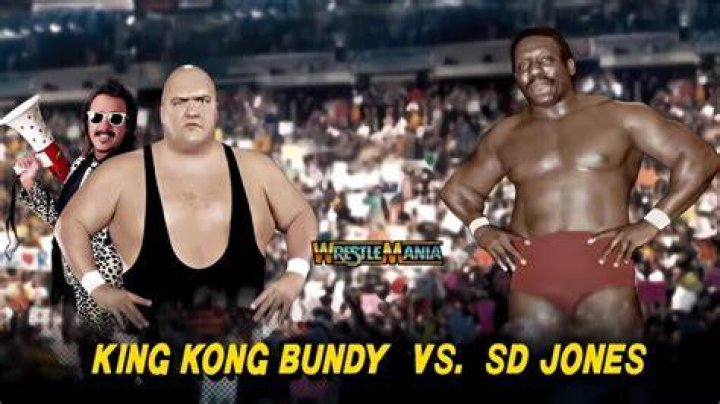
At the inaugural WrestleMania in 1985, SD "Special Delivery" Jones faced off against King Kong Bundy in what was intended to be a more competitive match. However, due to time constraints affecting the overall event schedule, the match was dramatically shortened. In the televised version, the bout lasted only nine seconds, with Bundy quickly defeating Jones via pinfall after delivering his signature Avalanche move.
The brevity of the match disappointed fans who expected to see more from SD Jones, a popular mid-card talent. While other matches and moments from WrestleMania I have gained legendary status, Jones' truncated bout serves as a less-often discussed example of the logistical challenges involved in producing such a landmark event.
4 The Islanders Steal Matilda
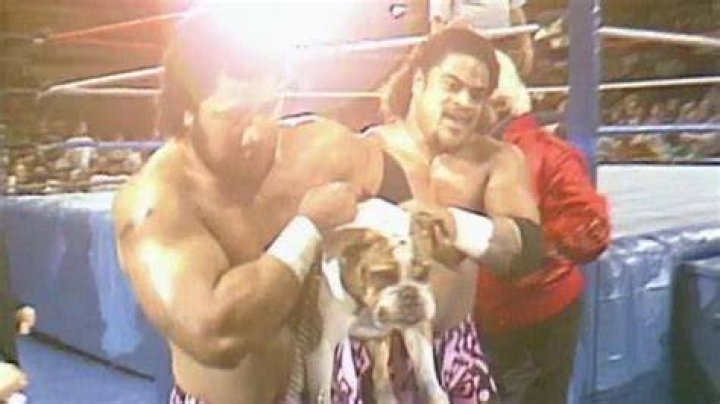
This storyline involved the kidnapping of the British Bulldogs' mascot, Matilda. In 1988, a peculiar storyline unfolded that involved The Islanders, a tag team consisting of Haku and Tama, stealing Matilda, the bulldog mascot of the popular British Bulldogs tag team, Davey Boy Smith, and Dynamite Kid. This kidnapping angle played out on WWE television and was used to heat up an ongoing feud between the two tag teams.
Matilda's "kidnapping" was eventually resolved, but not before it made The Islanders one of the most despised tag teams at the time. Although it is a lesser-discussed moment in the grand history of WWE, this unusual angle captured the essence of the larger-than-life, often absurd, but compelling storylines that were a hallmark of wrestling during the 1980s.
3 Black Saturday
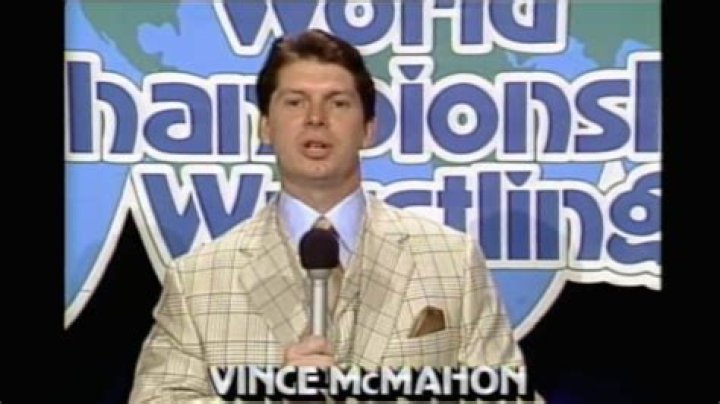
On July 14, 1984, wrestling fans tuning into TBS for their regular fix of Georgia Championship Wrestling were shocked to find WWE programming instead. This sudden switch was the result of Vince McMahon purchasing the time slot that GCW had occupied, effectively pushing out the regional wrestling promotion. This event became known as "Black Saturday" and was met with significant backlash from viewers who were loyal to GCW's more traditional, Southern style of wrestling.
McMahon's move was seen as an aggressive expansion strategy, but it backfired in this instance. Viewer complaints were so numerous that Ted Turner, who owned TBS, eventually gave another slot to a rival wrestling promotion, effectively ending WWE's monopoly. The episode is a pivotal yet often overlooked moment that demonstrated the limits of WWE's expanding territorial control in the 1980s.
2 The Jumping Bomb Angels
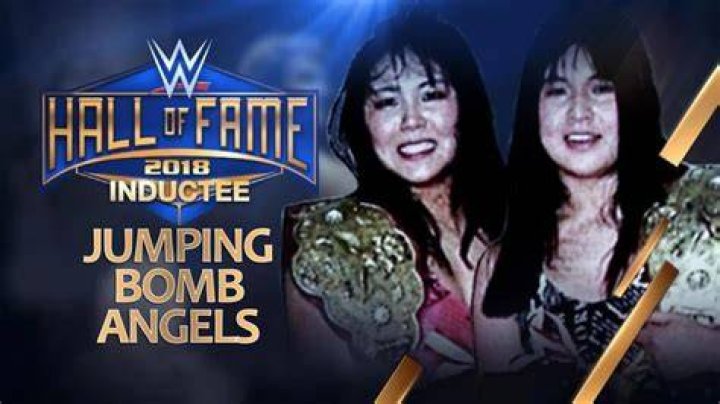
In 1988, the Jumping Bomb Angels—Noriyo Tateno and Itsuki Yamazaki—made a significant impact in the WWE, showcasing a high-flying, fast-paced wrestling style that was a stark contrast to the women's wrestling commonly seen in the U.S. at the time. The Japanese tag team gained prominence through their participation in the first-ever WWE Women's Tag Team Championship.
Their matches against teams like The Glamour Girls (Leilani Kai and Judy Martin) were lauded for their technical prowess and athleticism. Despite their brief tenure in the WWE, the Jumping Bomb Angels left an indelible impression and paved the way for the more athletic style of women's wrestling that would emerge in later years. Their influence, though significant, is often overshadowed by other more high-profile moments from the era.
1 Dino Bravo's Bench Press Challenge
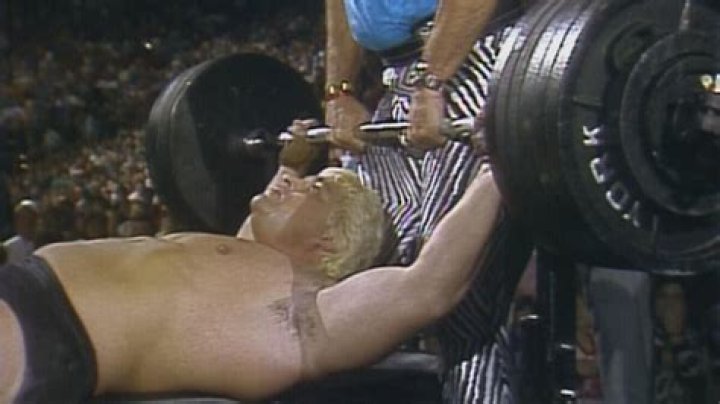
In the 1988 Royal Rumble, Dino Bravo attempted to set a world record in bench pressing, aiming to lift 715 pounds. The event was staged to solidify Bravo's gimmick as the "World's Strongest Man." However, the segment did not go as smoothly as planned. Accompanied by his manager, Frenchy Martin, and with Jesse "The Body" Ventura assisting in the lift, it was clear to many viewers that Ventura had aided Bravo in completing the lift.
The audience responded with skepticism and the failed stunt did little to enhance Bravo's standing. While the segment was intended to be a promotional highlight for Bravo, it ended up serving as a cautionary tale in wrestling lore about the challenges of blending athletic feats with wrestling gimmicks, particularly when the spectacle does not go as planned.