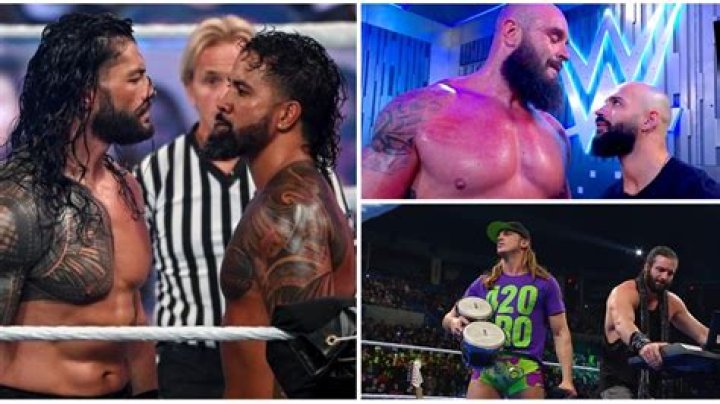
The WWE has been a weekly television staple since 1993. There have been thousands of storylines told between hundreds of wrestlers. Some of them like Steve Austin Vs. Mr. McMahon is a television storyline that transcends wrestling.
RELATED: The Rock On Star Trek & 9 Other Forgotten Times Wrestling Crossed Paths With Geek Culture
Others like KofiMania mean so much to longtime WWE fans. With a revolving world of stories, the WWE has reused plenty of tropes during its program. These tropes aren't negative, they can be extremely effective when used correctly, but WWE has leaned on them a fair amount in the past. This list will examine the ten tropes the WWE has relied on for years and still does to this day.
10 The Family Feud
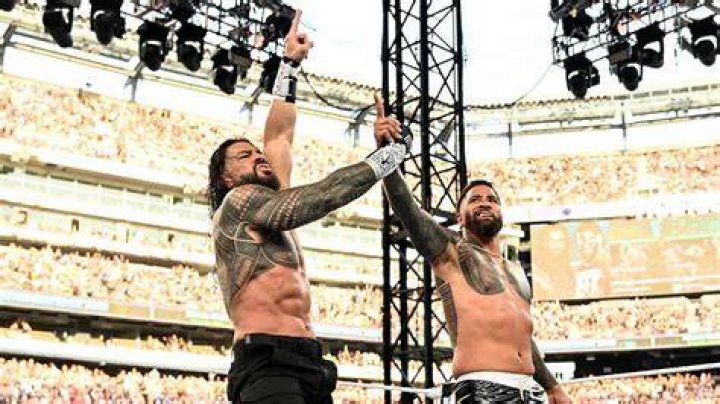
The WWE is replete with families. Since the early days of wrestling, family factions have dominated the wrestling scene. A common trope is family feuding for the title or spotlight.
This has happened between great storylines like Owen Vs. Bret Hart and a more critically panned version like Matt Vs. Jeff Hardy. The WWE still sees this trope today, especially among the Bloodline, where a breakup feels inevitable. The birth of the Bloodline also began with a feud between cousins, Roman Reigns and Jey Uso.
9 The Evil Rich Man
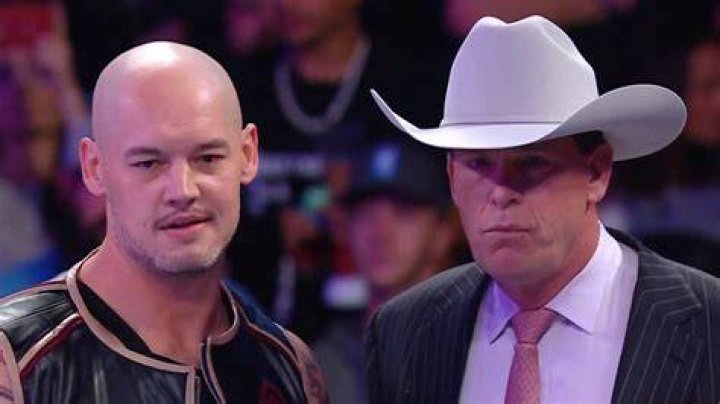
Another trope that has existed since the early days of wrestling is a rich heel. This can be used in many different ways. Mr. McMahon was portrayed as a rich man with a huge ego. Ted DiBiase was an evil rich man who used his money to stand out.
The current WWE has still been using the trope to try to get Baron Corbin over with fans. They even brought the Ruthless Aggression version of the trope, JBL, to help sell the story.
8 The Father's Successor
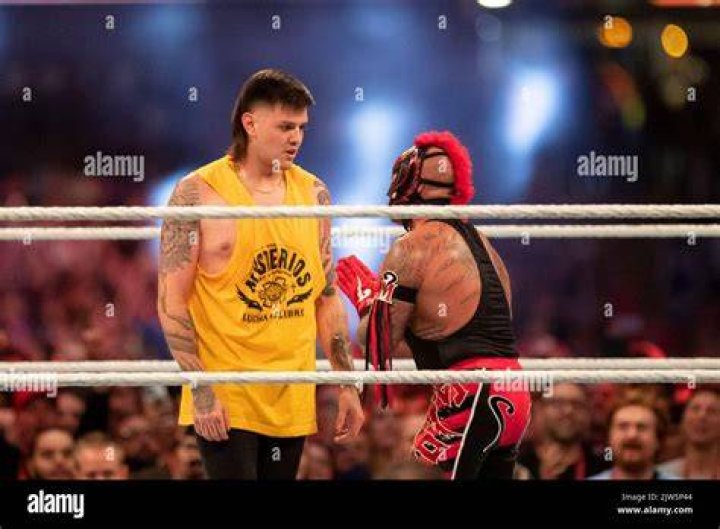
WWE "father/son" storylines are classic. They resonate with fans because most of them have experienced some type of drama with a parental figure. A common trope under the "father/son" storyline is the "child who is supposed to be the successor to the throne."
RELATED: 10 Old WWE Gimmicks From The Past Triple H Should Use Today
The WWE has used this trope to try to put over younger wrestlers with fans seeking nostalgia. It has been used with very limited success. Dominik Mysterio failed so badly in the trope that he's gone the complete opposite of his father, Rey Mysterio, to give him a new avenue.
7 The Unlikely Challenger
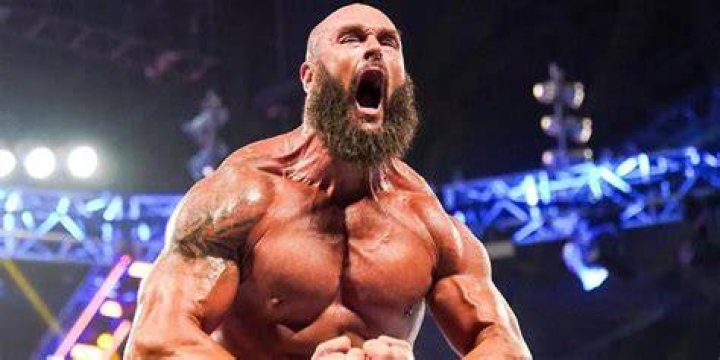
Every fan loves a David and Goliath storyline. It's one of the big reasons why the WWE has used the "unlikely challenger" trope for so many years. Many opponents of Andre the Giant worked under this trope.
Rey Mysterio also won his first world title using this storyline in 2006. Ricochet often works under this storyline in the WWE in 2022. It's a trope that will likely always exist in the WWE.
6 Wrestler "Broken" By A Loss
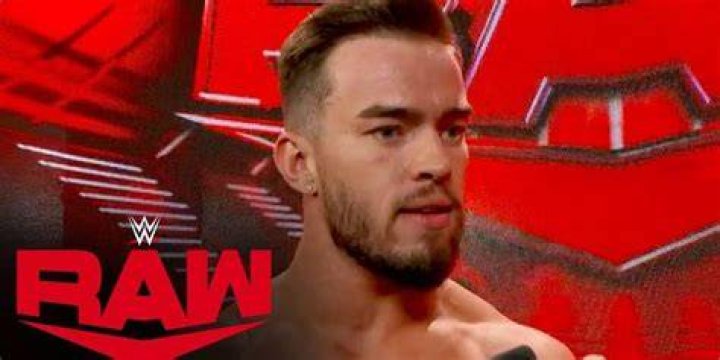
Wins and losses define professional wrestling. Any time the WWE wants to reinvent a wrestler or try to make a turn in a different direction, the company will usually book a loss that leads to a wrestler spiraling out of control.
RELATED: 10 Times WWE Broke Our Hearts
The trope makes sense since everyone has had to deal with a loss that was tough to accept. It often creates an interesting heel turn and has been used for midcarders since the early episodes of Raw. In 2022, Austin Theory's Money in the Bank cash-in failure led to the trope usage.
5 The Invincible Man

The WWE has almost always had a "guy" who is the number one person on the WWE roster. This usually leads to a long storyline where someone like Hulk Hogan holds a title for almost 1500 days.
Ultimate Warrior was "The Invincible Man" at one point. John Cena crushed the entire roster for almost five years as "The Invincible Man." Roman Reigns has recently become the new user of the endless trope.
4 The Supernatural Force

The WWE has blurred the line between fantasy and reality for many years. The Undertaker is one of the most over-wrestlers to ever exist, and he used the "supernatural force trope" for a large part of his career.
Bray Wyatt has recently used the trope to great success even though the promotion itself failed to truly maximize his potential under Vince McMahon's eye.
3 The Silent Killer

The WWE has had a few men who were of little words but dominated in the ring. This trope is the opposite of the usual wrestler that gets over on the microphone and tries to back it up in the ring. "The Silent Killer" isn't always a star.
The Boogeyman, for example, never spoke and terrorized for short segments never making a major title scene impact. It's an oddball trope that will always exist in writing since some wrestlers struggle on the microphone.
2 The Big Beast
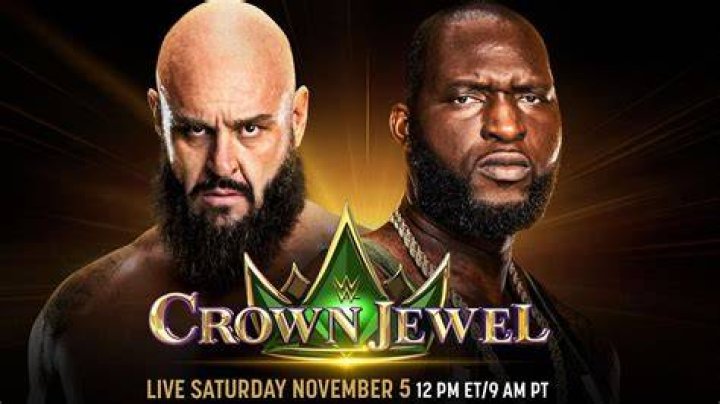
The WWE was a "big man sport" for a large part of its early inception. The company has always used large men, like Andre the Giant, to sell "The Big Beast" trope. It's a trope that every person has experienced on the playground at some point.
Some people are much bigger than others. It's an easy trope to sell since wrestling is a sport where people battle. It's another trope that will likely never go away.
1 The Unlikely Partnership
The WWE is a company that lives and dies by its characters. Like any character-driven program, a mix of unlikely partners is always entertaining. The WWE has put an unlikely team together for years. In the 90s, The Rock 'n' Sock Connection became one of the most famous tag teams of the Attitude Era.
Eddie Guerrero and Tajiri became unlikely tag champs. Rated RK-Bro became a main event tag team. This trope is heavily relied upon to the detriment of some wrestlers like Matt Riddle, who hasn't been able to take off as a solo start due to his multiple "unlikely" tag teams.