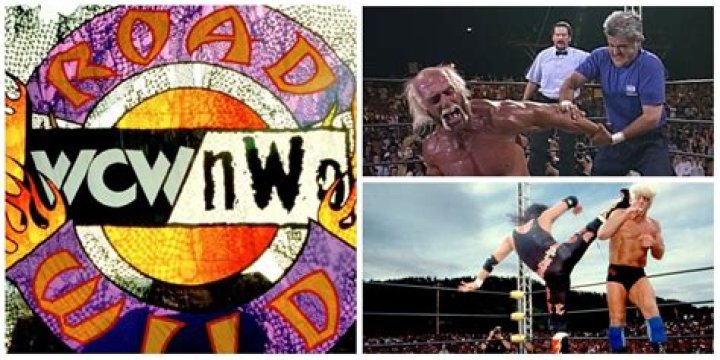
WCW was known for its theme PPV events: Uncensored, Bash At The Beach, Fall Brawl: War Games, Halloween Havoc, and World War III. But perhaps the most distinct of all was Road Wild. Emanating from Sturgis, South Dakota, the outdoor, make-shift arena atmosphere was guaranteed to stand out to viewers at home.
RELATED: The 13 Best Wrestling Stages In WCW History, Ranked
The most unusual aspect of the events was that they took place as part of the Sturgis Motorcycle Rally, so the audience was made almost entirely up of bikers. Road Wild's atmosphere produced mixed results, but it certainly hurt the in-ring action in more ways than one.
10 It Was An Eric Bischoff Vanity Project
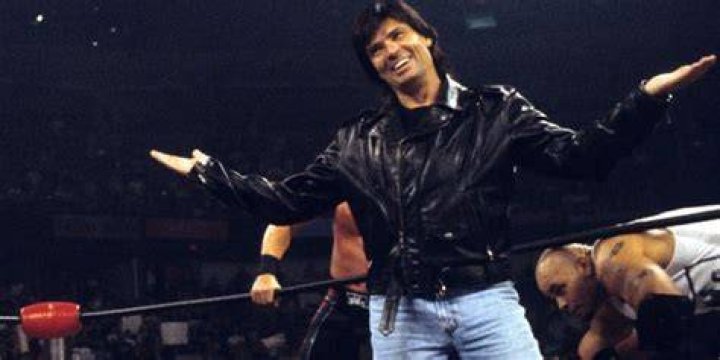
Outside of wrestling, Eric Bischoff was a martial arts expert and motorcycle enthusiast. Although WCW never promoted a martial arts-themed PPV event, Bischoff was able to shoehorn at least one of his hobbies into WCW with Road Wild. He reportedly rode his own motorcycle to Sturgis and essentially got to party with other bikers on the company dime.
9 The Inaugural Event Was Called "Hog Wild"

The very first Road Wild PPV was not actually called Road Wild, it was "Hog Wild". However, the Harley-Davidson Owners Group was nicknamed "HOG", so Time Warner opted to change the name to avoid a trademark battle. It was a smart move to get ahead of potential litigation, as years later WWF would have to change its name to WWE after the World Wildlife Fund (also WWF) warned them not to use the initials in Europe. Vince McMahon ignored those threats, and it ended up forcing him to "Get The F Out".
8 The Live Show Was Free
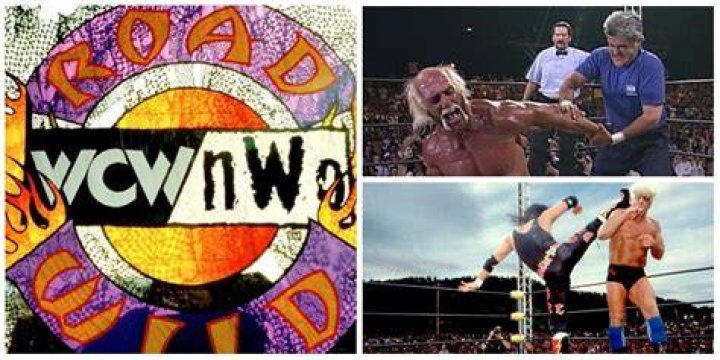
If Eric Bischoff was intent on producing a blatant vanity project, you would think he would ensure that it turned a profit. Wrong, the event was free. Not only was Bischoff living out his biker fantasies with company dollars, but he was also doing it at a loss, at least in terms of the live gate.
RELATED: 10 Cringey WCW Moments We Completely Forgot About
To add insult to injury, while the bikers got to watch live for free, fans at home still had to fork over their hard-earned money for the PPV. In Bischoff's defense, the 1998 edition was one of the ten highest-grossing WCW PPV events.
7 The Crowd Was Filled With Non-Fans
WWE's WrestleMania 4 and 5 are infamous for a lack of crowd response. This is due to the fact that it was a "paid show" in that Trump Plaza bought out WWE for all the tickets, making the show's bottom line a guarantee for Vince McMahon. The Trump Plaza casino preceded to give a large portion of the tickets away to high rollers who weren't necessarily fans. This resulted in a dull atmosphere that made the 1988 and 1989 WrestleManias a slog to sit through. It was a similar story at Road Wild, except instead of high rollers it was bikers who showed little interest in the matches. The leather-clad "fans" opted to rev their engines for the majority of the event instead of paying attention to the action in the ring.
6 The First Year Was The Only Decent Show
In spite of the less-than-ideal crowd atmosphere, Hog Wild 1996 featured a few very good match-ups: Rey Mysterio versus Ultimo Dragon, a Dean Malenko clinic that went nearly 30 minutes, and Ric Flair versus Eddie Guerrero for the US Title. This would be the only decent WCW show in Sturgis, as the 1997, 1998, and 1999 Road Wild events were all quite terrible.
5 There Were Racist Catcalls From The Crowd
During the Harlem Heat versus Steiner Brothers match at Hog Wild 1996, Booker T and Stevie Ray were repeatedly heckled with racial slurs from bikers in attendance. Harlem Heat got into it with those attendees, and some even started flashing the Confederate Flag at them. The whole debacle was a shameful mark on the event, and it unfortunately was not an isolated incident. At the 1999 edition, Ernest "The Cat" Miller was dealt a similarly despicable hand by some bigots in attendance.
4 Hog Wild Was The First PPV After nWo Formed
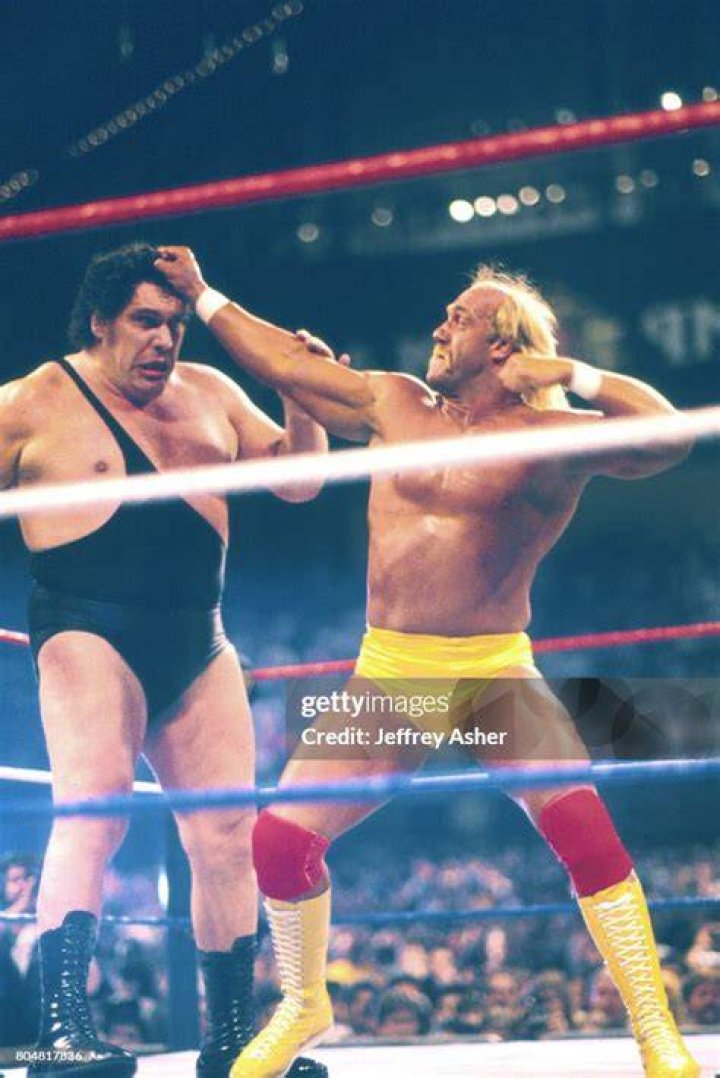
Bash At The Beach from July 1996 was the night that Hulk Hogan famously turned his back on WCW fans, to join the Outsiders and form the New World Order. One month later, the nWo would take a stranglehold over WCW at Hog Wild. Kevin Nash & Scott Hall defeated fan favorites Sting & Lex Luger in the semi-Main Event before Hogan would defeat WCW Champion, The Giant, and christen the Big Gold Belt with nWo spray paint.
3 Jay Leno Headlined Road Wild 1998
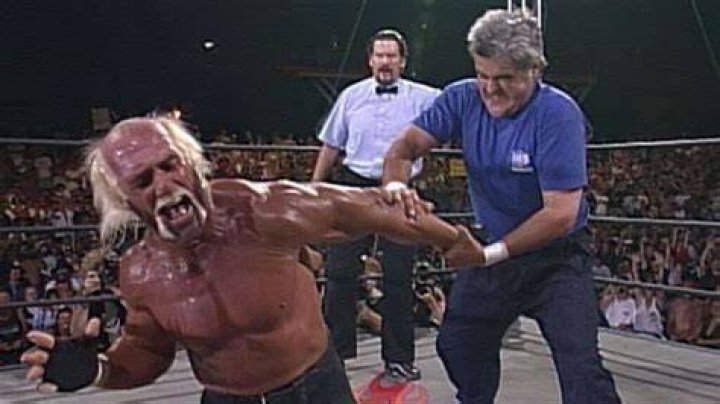
WCW had major box office success at Bash At The Beach 1997 and 1998 with PPVs headlined by Dennis Rodman in tag team matches. The key ingredient to the financial and critical success of those events was that Rodman was not only at the peak of his stardom, but he was also a large professional athlete, thus believable as a physical threat to Main Event talent.
RELATED: The 13 Best Wrestling Stages In WCW History, Ranked
WCW felt they could duplicate that success by replacing Dennis Rodman with talk show host Jay Leno. In an absurd moment, Hogan sold an arm bar from the then 48-year-old non-athlete, by falling to his knees and squealing in pain. Miraculously, the event drew well on PPV, though it wasn't close to the numbers the previous month's Bash At The Beach did with Rodman in the spotlight.
2 Dennis Rodman's Final WCW Match Was At Road Wild 1999
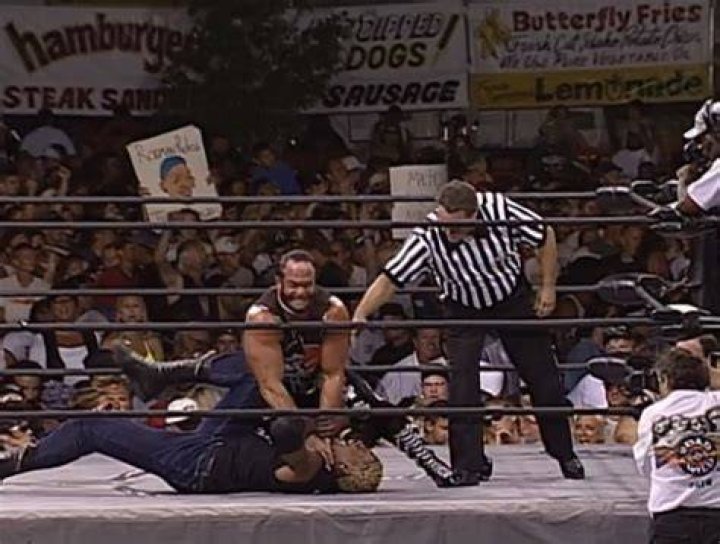
In August 1999, when both Dennis Rodman and WCW were on a downswing, "The Worm" had a match with "Macho Man" Randy Savage. Savage was well past his prime, so his match with Rodman felt like a desperate attempt for all parties involved to regain their relevance. But it wasn't to be, as the bout was subpar, and ended up being the last time Rodman would be seen on a WCW PPV.
1 It Was Replaced By New Blood Rising In 2000
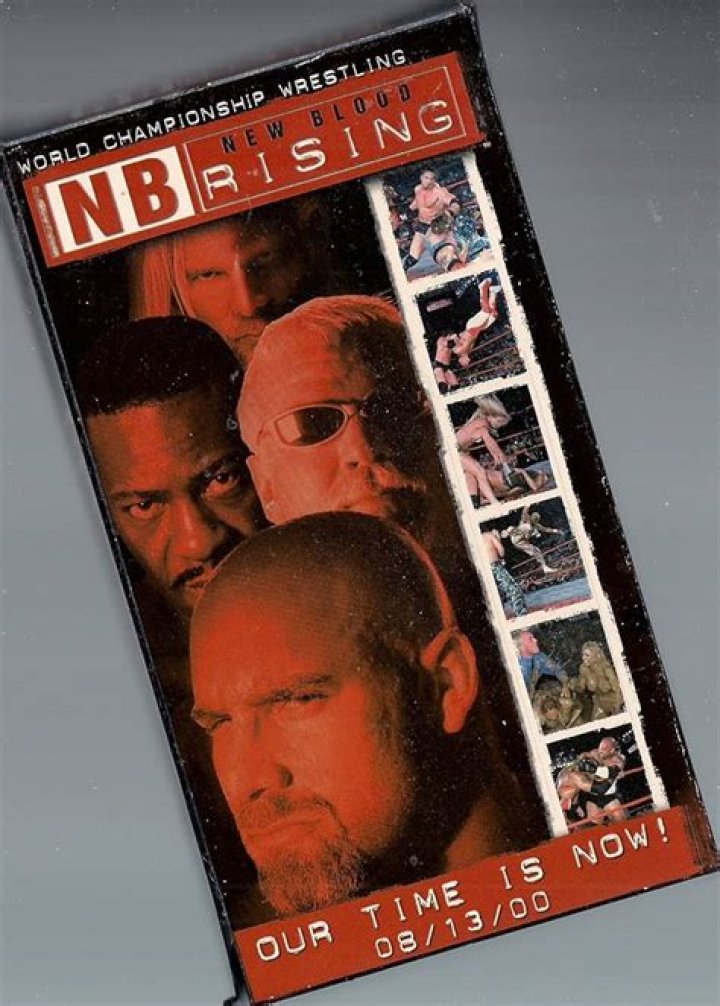
In September 1999, Eric Bischoff was relieved of his duties as Executive Producer and Senior Vice President of WCW. Vince Russo was appointed as Head Writer in Bischoff's absence, but by the year 2000, he too had fallen out of favor with Time Warner brass.
Eventually, Bischoff was brought back to work with Russo, but by then the decision to replace Road Wild with New Blood Rising in the August PPV slot had already been made. It ended up being the final August PPV event in company history as, by March 2001, WCW was out of business.