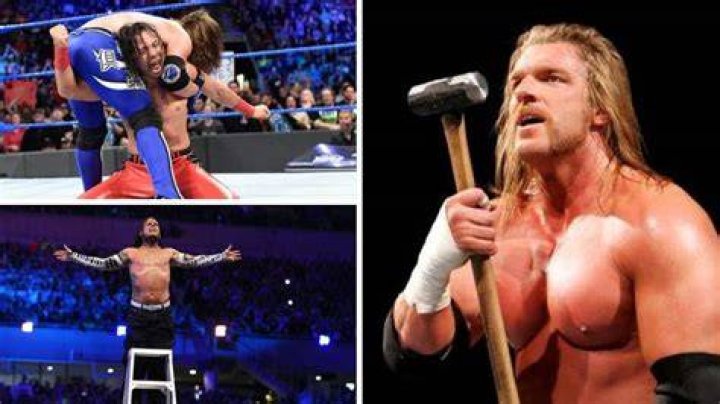
The world is full of clichés so it shouldn’t surprise anyone that a company like WWE is filled to the brim with them. Some say that something becomes a cliché because that very thing was popular, but something becoming a cliché can be a dangerous thing. As everyone knows, too much of a good thing can end up being a bad thing.
RELATED: 10 WWE PPV Endings That Changed Everything
WWE has fallen back on more than a few common wrestling clichés over the last few years, and wrestling fans usually have no problem pointing all of them out. While not every one of these clichés is necessarily bad, it is pretty fair to say that, at the end of the day, they really don’t make a lot of sense.
10 The All-Powerful Backstage Assault
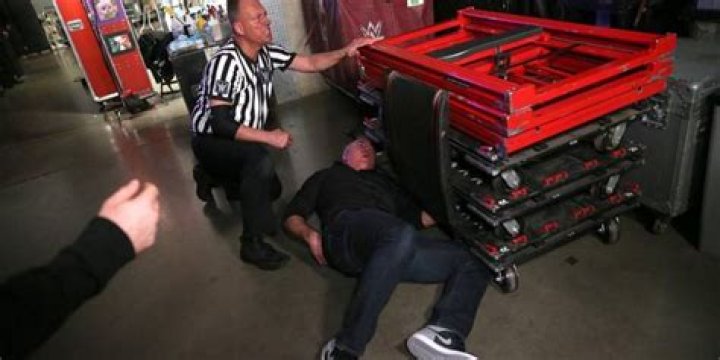
Two performers can take each other to the absolute limit in the ring. They can hit each other with their finishers five times, nail another dozen signature moves, and even take a few chair shots for good measure all while fighting to the end.
As soon as a performer gets backstage for an interview or a segment, they suddenly become the wimpiest guy around. All it takes is a single running strike, a couple of body blows, maybe being thrown into a box, and then a few kicks. That leaves a superstar out and unable to compete…somehow.
9 Weapons Under The Ring

Why is a WWE ring so absolutely loaded with different weapons? A case could be made for simple things like chairs, tables, a ladder, and even a fire extinguisher makes some sense. What doesn’t make sense is the other, stranger selection of weapons.
Exactly why so many wrestlers are able to find things like kendo sticks, bats, 2x4s, and even something like a lead pipe is anyone’s guess. None of those things need to be under the ring, but no one will question it when a competitor needs the right weapon for the right situation.
8 How Effective Are Weapons?
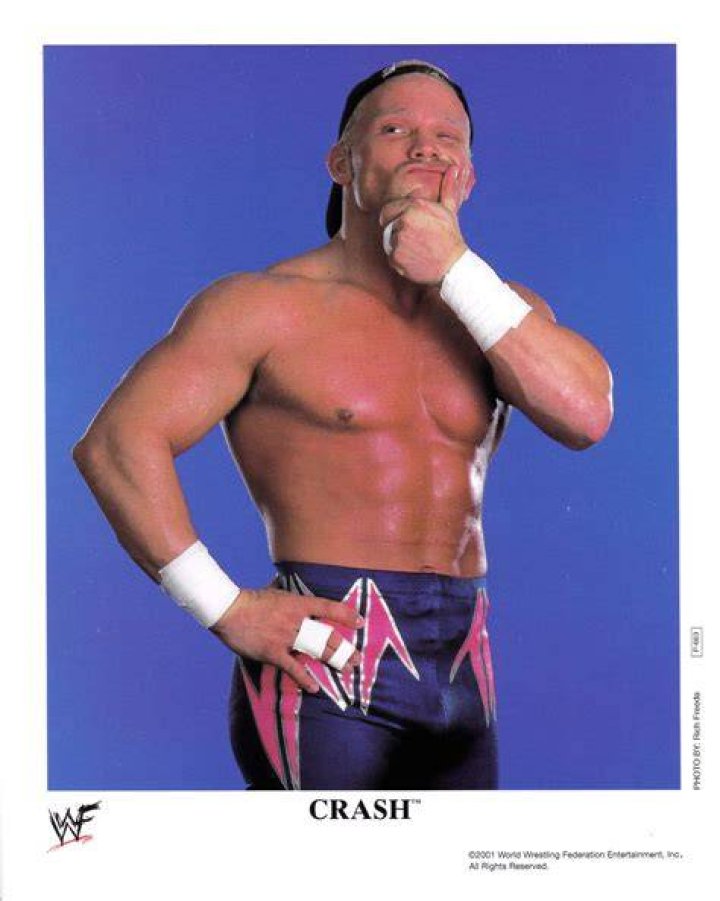
The question of why there are so many weapons under the ring brings up another question about exactly how effective those weapons are. In a regular match, a weapon can be the deciding factor, with a single swing able to win a match.
RELATED: 10 Most Iconic Weapons In WWE History
In any kind of hardcore or no-rules matches, a weapon is equivalent to a signature move at most. They might earn a near fall, but they probably aren’t going to be the thing that decides the match. It’s another odd trope that wrestling fans kind of just accept.
7 Being Willed Back Into The Match

The idea of the fans willing a performer back into a match has been around for decades at this point. It was one of the defining features of Hulk Hogan, and it’s been used by stars of his caliber ever since.
The thing is, the whole cliché just doesn’t make any sense. If a performer has the strength to get out of a tough situation, then they should just do it. Encouragement helps, but waiting for encouragement to get out of a hold is a bit bizarre.
6 The Dumb And Fragile Referee
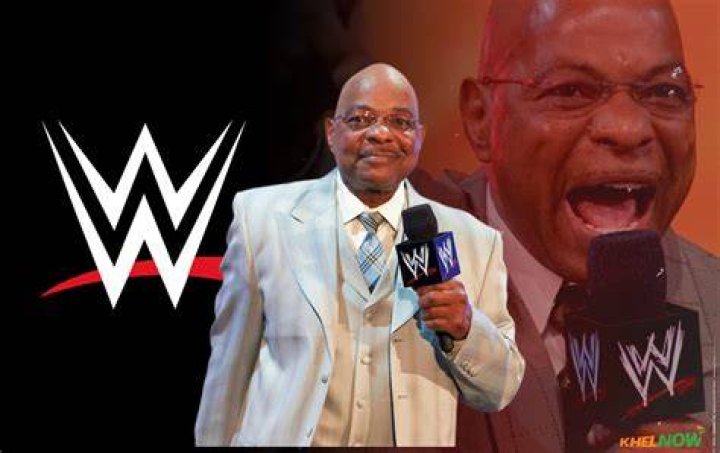
This is kind of two clichés in one here because WWE referees are almost always portrayed as dumb and fragile. A single, slight move can send a referee on a bump that takes them out of the remainder of a match that still has fifteen minutes in it.
At the same time, referees are somehow almost always tricked by underhanded tactics that heels employ. Somehow, a referee is always just in the right spot to not catch a heel cheating. No matter how often they get distracted in a match, it will continue to happen from the same villains.
5 The Low Blow
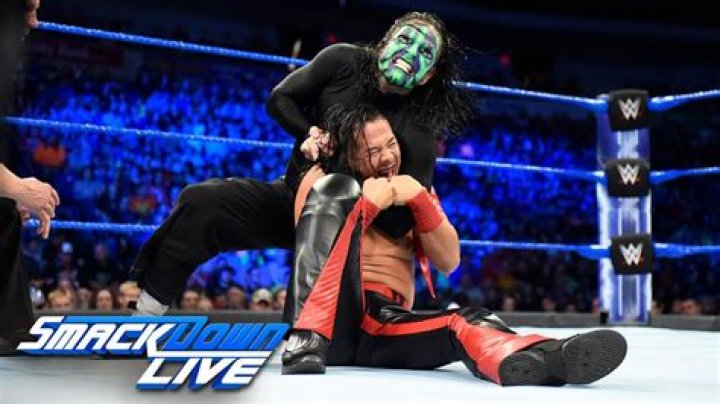
Much like weapons in a normal match, a low blow has the ability to end the entire night of a performer. Someone struck with a low blow won’t be getting back to the feet because it’s officially been decided that they have to lose.
While no one enjoys taking a hit like that, it’s not like that kind of shot would keep you from fighting for something as important to a person as a world championship. The effectiveness of low blows is just a bit too high and too frequent to not be a cliché.
4 The Slow Climb
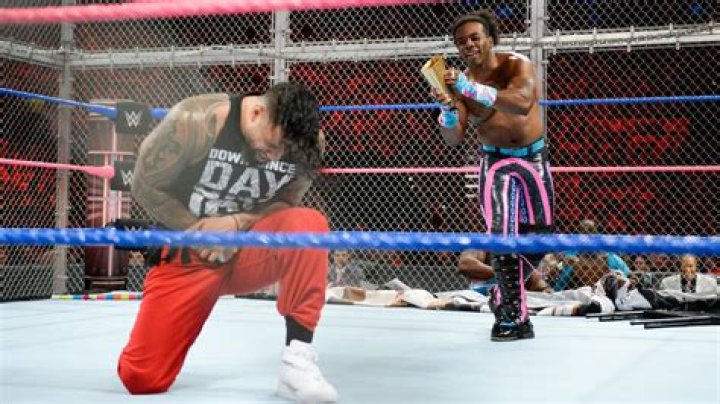
Whether anyone loves it or is a part of the many people who despise slow climbs, it’s hard to say they don’t add drama to a ladder match. Seeing a performer muster what little strength they have left to climb a ladder for a championship only to be tossed off is heartbreaking.
The issue is, many performers employ this slow climb cliché only for another performer who’s taken as much damage to scuttle up the ladder as quickly as possible to cut them off. It’s a bit of a tired cliché, but there’s really no better way to build emotion while climbing a ladder.
3 The Babyface Dive

In just about any match that involves some kind of climbing and a daredevil of a superstar, someone is going to be taking a huge dive. Performers like Jeff Hardy might be to blame for this trope because now whenever a babyface has the opportunity to escape a cage or grab a title, they will instead dive onto their opponent.
RELATED: 10 Classic Wrestling Matches We Can't Believe Are 30 Years Old
The cliché may be an incredible one to see, but pretty much everyone is able to predict that a spot like this is coming in most matches. It’s too striking and pop-inducing to not use when you have a competent high-flyer in the mix.
2 The Hot Tag
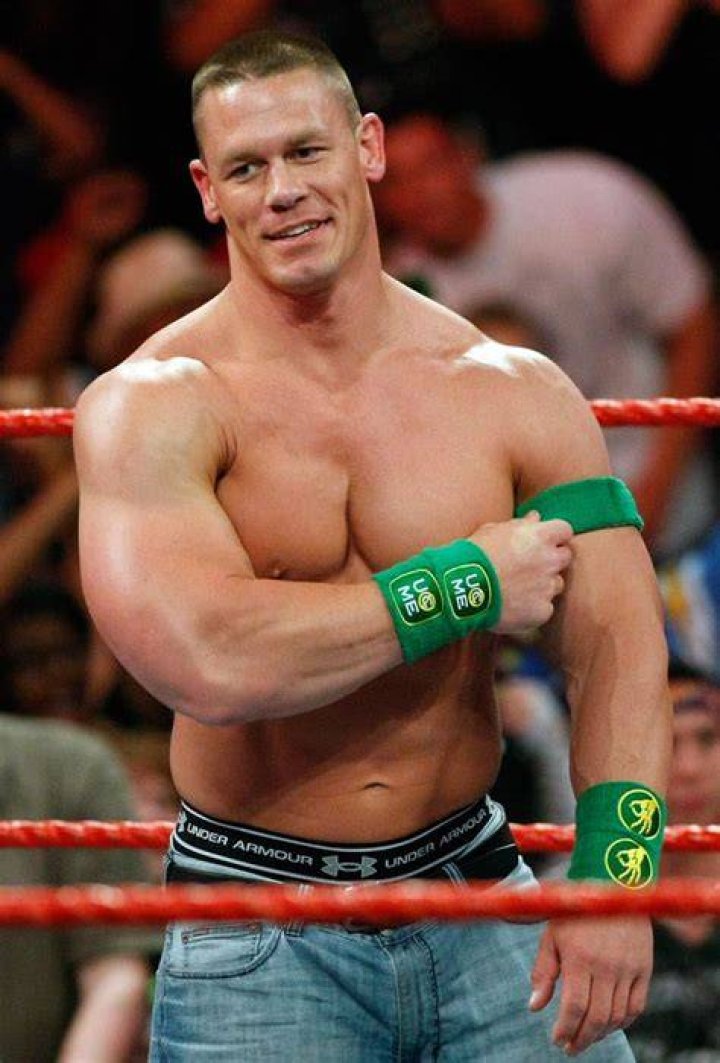
The hot tag is a staple of tag team wrestling and will forever be a cliché that remains in the industry. It’s such a simple yet major aspect of a tag team match, that it’s hard to imagine one without any kind of hot tag.
Seeing the babyface scrape and claw his way back to his partner and overcoming the heels to finally make a long-deserved tag is great for a reason. Cliché, but great. The pay-off for the simple cliché is too great for it to ever fade into obscurity, and its history in wrestling is too firmly rooted as well.
1 The “Finishing” Move

Pretty much everything surrounding a performer's finishing move is a cliché at this point. Most of them can come out of nowhere, a lot of them are flashy, and many of them don’t in fact finish their opponents. The cliché lies in the name versus the effectiveness.
Over the years, the protection of many finishing moves has gone away for the excitement of a near fall. Someone could probably do some interesting study to determine the actual rate of effectiveness of finishing moves and find that, generally, they aren’t all that great at finishing.