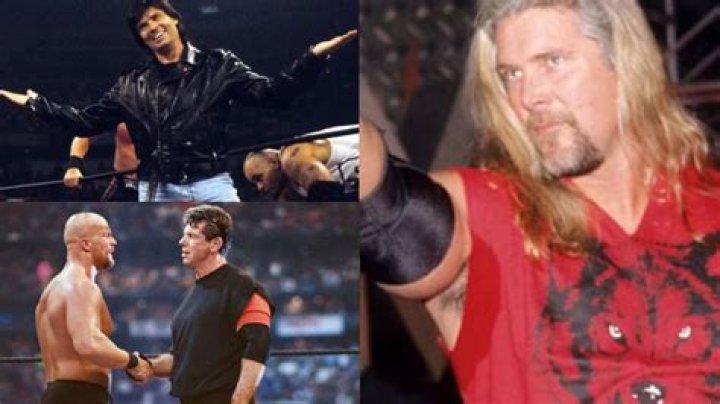
One of the most interesting elements of the Monday Night War for wrestling fans of the era was tracking defections between WWE and WCW. There were famous leaps like Lex Luger or The Big Show jumping from a prominent spot in one company to a prominent spot in the other. There were cases like Chris Jericho, where an entrenched mid-card act advanced to a featured role on the other. In yet another variation, there were acts like Jeff Jarrett who bounced back and forth between the companies to continually better his creative and financial situation.
Related: 10 Harsh Realities Of Rewatching Classic WCW PPVs
With two decades of history past and numerous podcasts, documentaries, and books chronicling that era in wrestling, there’s a lot more information available about what contracts looked like between the two promotions, including some similarities, as well as a number of meaningful differences.
8 Different: WCW Contracts Offered Fewer Dates Than WWE Contracts
A big part of WWE’s business model has traditionally been having an active live touring business—having major TV properties they’re broadcasting live or recording for, regular pay per views, and a robust slate of house shows.
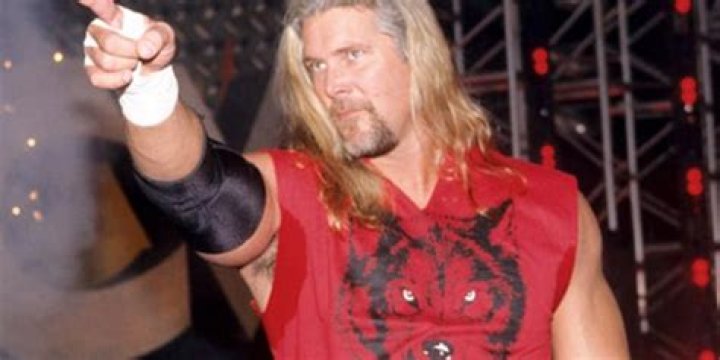
While WCW had a comparable broadcast schedule to WWE—and even more hours of TV at some points—they had typically had far fewer house shows. Moreover, during the Monday Night War era in particular, WCW tended to be much more liberal about allowing major stars to work fewer house show dates. The upshot was that when a talent like Kevin Nash jumped to WCW in 1996, one of the main reasons he cited was not so much that he was getting paid more, but that he brought in comparable money with far fewer matches and far lesser travel commitments along the way.
7 The Same: Limited Creative Control In WWE Or WCW
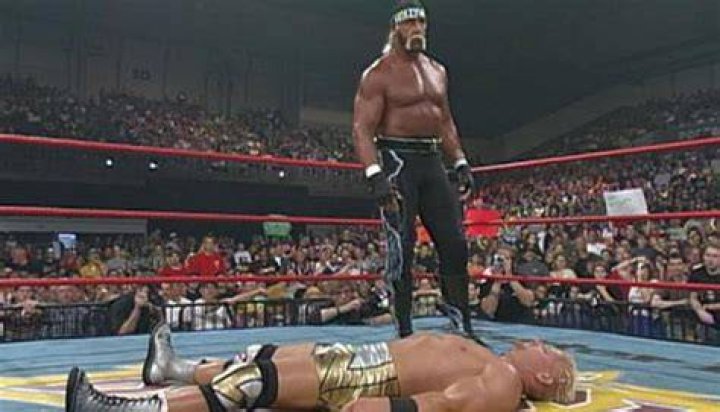
Depending on the talent, the promotion, and the era, there may have been wrestlers with significant input ont their gimmicks and there are those wrestlers like Hulk Hogan known for using their influence to get what they wanted. Nonetheless, wrestling is a platform for fictitious storytelling and as such most performers are subject to the creative powers-that-be at any given time.
To that point, while neither WWE, nor WCW contracts offered talents full creative control, some stars had degrees of influence written into their deals. The consensus seems to be that this dynamic was widely exaggerated on the whole. Interestingly, some of the biggest stars, who most famously had supposed creative control ultimately saw their input undermined. Bret Hart, for example, had control over how his character was portrayed for the final stretch of his WWE contract, but was confronted with the Montreal Screwjob. Meanwhile, Hogan’s final WCW appearance—despite his significant influence—was defined by Vince Russo going into business for himself and burying The Hulkster on the mic.
6 Different: WCW Contracts Offered Guaranteed Money, In Contrast To WWE Contracts
One of the nuances of WWE contracts has historically been that talents would be offered a downside guarantee—a set figure they would be paid at the minimum, attached to a minimum number of dates they’d be booked for. Past that point, it was up to talents to “earn” their spots—delivering at a level to justify them being booked more often, and different paydays from major events based on Vince McMahon’s assessment of how valuable they’d been at drawing in the paying audience.
By contrast, WCW deals tended to offer guaranteed money—fixed dollar amounts that offered less room for advancement, but that also tended to be safer bet for most talents, such that even if they wound up scarcely used, they nonetheless knew exactly how much money they’d make.
5 The Same: Both WWE And WCW Contracts Demanded Exclusivity

While independent wrestling promotions to this day tend to expect a degree of fluidity in their talents bouncing between different companies, one commonality between WWE and WCW was that most talents they had under contract were exclusive to their brand.
Related: 10 Times WWE Allowed Their Wrestlers To Work For Other PromotionsThere were a handful of exceptions like WCW’s talent-sharing program with New Japan, or the time WWE loaned Taz to ECW to resolve a messy title situation with reigning champ Mike Awesome leaving for WCW. Moreover, WWE did, at different times, have working arrangements with ECW, the USWA, or SMW, but those were less cases of them allowing talents to work dates outside the WWE umbrella than using these smaller promotions as unofficial developmental territories, or occasionally loaning out bigger stars as a favor.
4 Different: Some WCW Contracts Offered A Favored Nations Clause
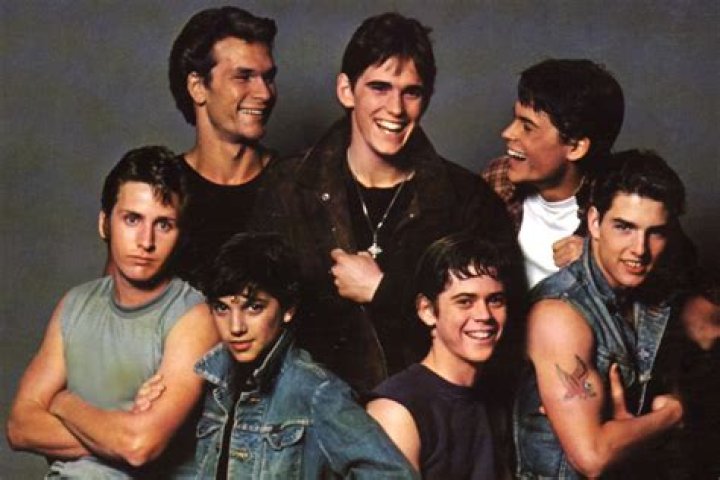
One element of their WCW tenures people tend to forget about Kevin Nash, Scott Hall, and a handful others is that they benefited from a so-called favored nations clause in their contracts. The arrangement was that, while WCW could offer bigger money deals to other wrestlers, they had then bump up Hall and Nash’s contracts to the same level so they were always at the top pay level.
There were instances when Hall and Nash reportedly waived the clause, for example allowing WCW to sign Bret Hart to a bigger money deal to secure him as one of the hottest free agents imaginable at the time. In general, though, this arrangement saw big names take advantage of vast financial resources available to WCW to shore up their own salaries.
3 The Same: Neither WWE Nor WCW Contracts Made Guarantees About How Talents Would Be Used

While there were instances of talents having limited creative control in WWE and WCW alike, neither company typically offered guarantees as to how a talent would be used, including guaranteeing title runs, face or heel status, or other booking particulars.
As political as wrestling can be, there were nonetheless those performers who used their influence to help themselves or hold back others. Still, contractually speaking, talents didn’t have a say on how they’d be used on screen, and that even went so far as stars like Randy Savage and Michael PS Hayes being relegated to non-wrestling roles they purportedly wouldn't have chosen for themselves.
2 Different: When Talents Signed WWE Contracts, They Had A Clearer Sense Of Who They’d Be Working Under
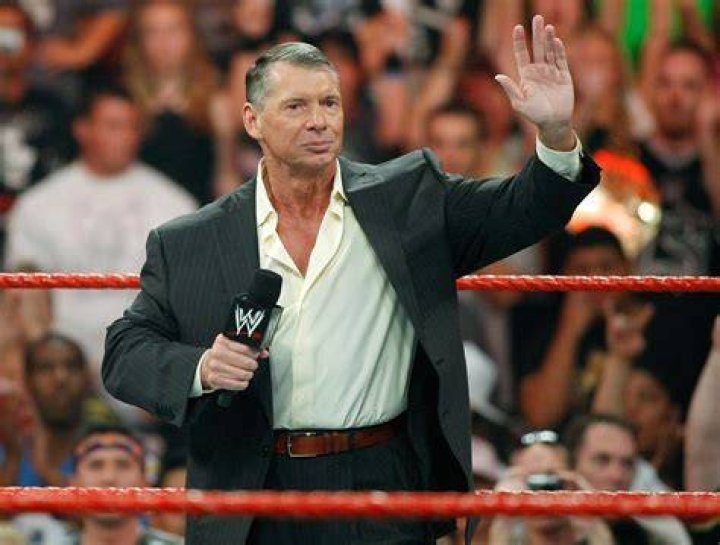
One element of signing a contract with WWE in the 1990s or 2000s is that the talents could be quite certain whom they’d be working under for the years to come, and that was Vince McMahon. McMahon’s exact title may have varied, but he was continuously in charge of the company in this era. Moreover, with his famous workaholic tendencies, talents could assume he wasn’t going to burnout or going on any long vacations. Despite being infamously idiosyncratic about what he wanted or liked, the identity of the boss was at least clear.
Related: 10 Cringey Vince McMahon Moments WWE Fans Forgot About
By contrast, signing with WCW carried a fair amount of uncertainty around management. Under Turner management, figures ranging from Ole Anderson to Bill Watts to Dusty Rhodes to Ric Flair to Kevin Sullivan to Eric Bischoff to Vince Russo were among the names who steered the ship creatively at different times. Moreover, with ownership by Turner and then Time Warner, there was a lack of stability in terms of WCW’s standing and prioritization—a volatility that ultimately led to the sale of WCW in 2001.
1 The Same: Bigger Money Than Was Available Elsewhere In The Wrestling World

WWE and WCW were the two biggest wrestling promotions in the world in the 1990s and early 2000s. They had the broadest television reach, the largest live attendance figures, the biggest merchandise sales, and otherwise dominated the wrestling landscape. There are some fans from the era who will argue that ECW broached number two status at different points and that may be true in terms of the quality of the product or talent on the roster. However, the bottom for wrestling as a business comes down to money, and no US promotions came close to rivaling the kind of money WWE and WCW had to offer talents in that era.
Whether it were WCW’s guaranteed money deals or WWE’s opportunities for growth—particularly for those talents who made it to PPV—other promotions simply couldn’t match the money “the big two” were throwing around.