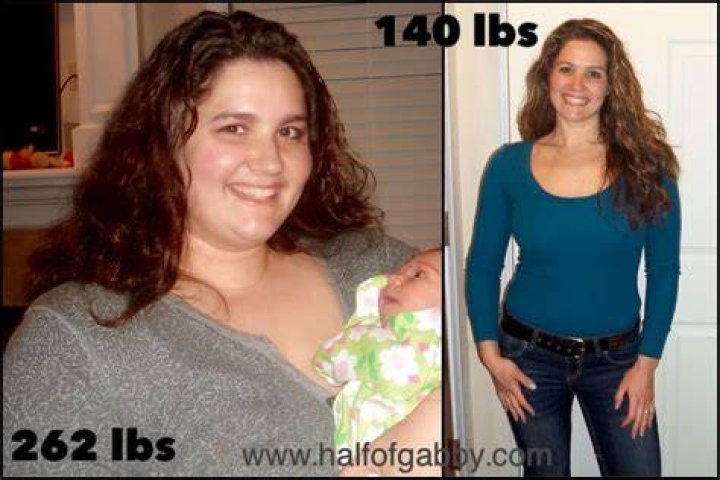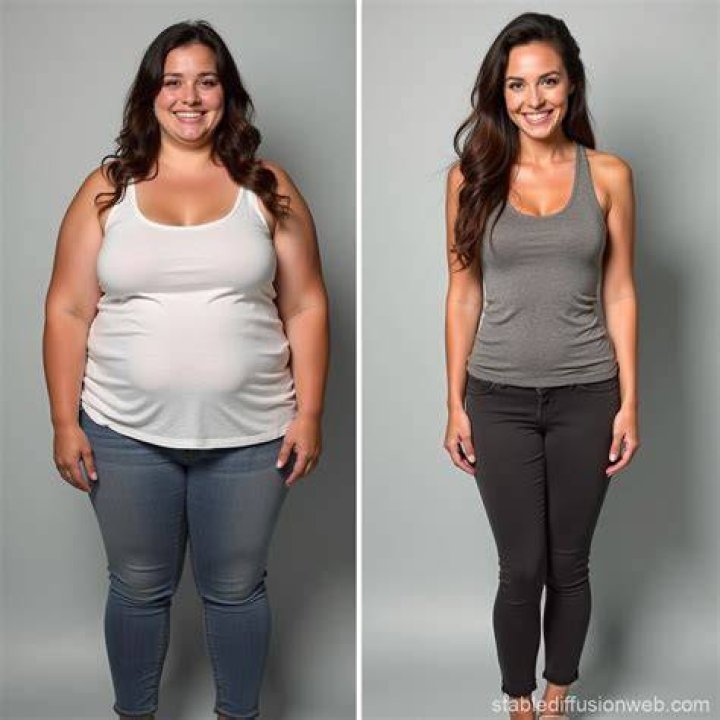
"300 lb woman before and after" refers to the concept of weight loss transformation, specifically for women who weigh 300 pounds or more. It often involves a journey of adopting healthier lifestyle habits, such as improved nutrition and exercise, to achieve significant weight loss and improve overall well-being.
Weight loss transformations can have numerous benefits for individuals, including reduced risk of chronic diseases, improved physical health, increased confidence, and enhanced quality of life. For women who have struggled with obesity, reaching a weight loss goal of 300 pounds or more can be a remarkable achievement, symbolizing significant effort, dedication, and resilience.
It's important to approach weight loss in a holistic manner, addressing both physical and mental health aspects. Seeking professional guidance from healthcare providers, registered dietitians, and fitness experts can be invaluable in developing a personalized and sustainable weight loss plan. Emotional support from family, friends, or support groups can also play a crucial role in maintaining motivation and accountability throughout the journey.
300 lb Woman Before and After
Significant weight loss transformations, such as those achieved by women weighing 300 pounds or more, encompass various essential aspects. Here are nine key dimensions related to "300 lb woman before and after":
- Health improvements: Reduced risk of chronic diseases, improved physical well-being.
- Lifestyle changes: Adoption of healthier nutrition, increased physical activity.
- Emotional well-being: Enhanced confidence, improved body image.
- Social support: Importance of family, friends, and support groups.
- Medical guidance: Role of healthcare professionals, registered dietitians, and fitness experts.
- Holistic approach: Addressing both physical and mental health aspects.
- Sustainability: Developing a long-term, maintainable weight loss plan.
- Motivation and accountability: Strategies to stay focused and on track.
- Personal triumph: Recognizing the significance of achieving a major weight loss goal.
These aspects are interconnected and contribute to the overall success of a weight loss journey. For instance, adopting healthier lifestyle changes can lead to health improvements, while emotional well-being can provide the motivation to maintain a healthy weight. Medical guidance can provide personalized and safe weight loss strategies, while social support can offer encouragement and accountability. Ultimately, achieving a weight loss goal of 300 pounds or more is a testament to the dedication, hard work, and resilience of individuals who embark on this transformative journey.
Health improvements
Significant weight loss, such as that achieved by women weighing 300 pounds or more, can lead to substantial health improvements, including a reduced risk of chronic diseases and enhanced physical well-being. Obesity is a major risk factor for various health conditions, including heart disease, stroke, type 2 diabetes, and certain types of cancer. By shedding excess weight, individuals can significantly lower their chances of developing these debilitating and potentially life-threatening diseases.
Improved physical well-being is another key benefit of weight loss. Excess weight can put a strain on the body, leading to problems such as joint pain, mobility issues, and fatigue. Losing weight can alleviate these physical Beschwerden and improve overall mobility and energy levels. Additionally, weight loss can enhance sleep quality, reduce inflammation, and boost the immune system.
For women who have struggled with obesity, achieving a weight loss goal of 300 pounds or more can be transformative. It can empower them to take control of their health, reduce their risk of chronic diseases, and enjoy a better quality of life. The health improvements associated with weight loss are a powerful motivator for individuals to embark on and sustain their weight loss journeys.
Lifestyle changes
For women weighing 300 pounds or more, adopting healthier nutrition and increasing physical activity are fundamental pillars in their weight loss journeys. These lifestyle changes play a crucial role in creating a calorie deficit, promoting fat loss, and improving overall well-being.
- Dietary modifications:
Adopting a healthier diet involves making significant changes to eating habits. This may include reducing calorie intake, eliminating processed foods and sugary drinks, and incorporating more nutrient-rich foods such as fruits, vegetables, lean proteins, and whole grains. Meal planning and portion control are also essential aspects of dietary modifications for successful weight loss.
- Increased physical activity:
Regular physical activity is another vital component of weight loss. It helps burn calories, build muscle mass, and boost metabolism. Engaging in exercises such as brisk walking, swimming, cycling, or strength training can contribute to weight loss and improve cardiovascular health.
- Mindful eating:
Mindful eating practices encourage individuals to pay attention to their eating habits, cues, and hunger signals. By eating slowly, without distractions, and savoring each bite, individuals can improve their relationship with food and make healthier choices.
- Behavioral changes:
Sustainable weight loss often requires addressing underlying behaviors and patterns that contribute to weight gain. This may involve seeking professional help from therapists or counselors to address emotional eating, stress management, and other psychological factors that influence eating habits.
Adopting these lifestyle changes requires dedication, consistency, and a strong support system. However, the benefits of improved health, increased mobility, and enhanced quality of life make the effort worthwhile. For women who have achieved significant weight loss of 300 pounds or more, these lifestyle changes have been instrumental in their transformative journeys.
Emotional well-being
Emotional well-being is a crucial aspect of the "300 lb woman before and after" phenomenon, as significant weight loss can profoundly impact a woman's self-perception and emotional state.
- Enhanced confidence:
Losing a substantial amount of weight can dramatically boost a woman's confidence levels. She may feel more comfortable in her own skin, less self-conscious about her appearance, and more assertive in social situations. - Improved body image:
Weight loss can significantly improve a woman's body image. She may begin to see herself more positively, appreciate her body's shape and curves, and feel more attractive. - Reduced emotional eating:
Emotional well-being can also impact weight loss by reducing emotional eating. When a woman feels good about herself, she is less likely to turn to food for comfort or stress relief. - Increased motivation:
Enhanced confidence and improved body image can serve as powerful motivators for continued weight loss and maintenance. A woman who feels good about herself is more likely to make healthy choices and stick to her weight loss plan.
The connection between emotional well-being and weight loss is undeniable. By addressing both the physical and emotional aspects of weight loss, women can achieve lasting success and reap the numerous benefits of improved self-esteem, body image, and overall well-being.
Social support
In the context of "300 lb woman before and after," social support plays a vital role in the weight loss journey and its long-term success. Family, friends, and support groups can provide invaluable sources of motivation, encouragement, and accountability.
- Emotional support:
A strong support system can provide emotional encouragement and uplift during challenging times. Family and friends can offer words of affirmation, celebrate milestones, and help women stay positive and motivated. - Accountability and encouragement:
Support groups and accountability partners can help women stay on track with their weight loss goals. By sharing experiences, offering encouragement, and holding each other accountable, individuals can increase their chances of success. - Practical help:
Family and friends can provide practical assistance, such as helping with meal preparation, childcare, or transportation to fitness classes. This support can alleviate stress and make it easier for women to prioritize their weight loss journey. - Long-term maintenance:
Social support is crucial for long-term weight loss maintenance. Support groups and accountability partners can help women navigate challenges, prevent relapse, and sustain their weight loss over time.
The benefits of social support extend beyond weight loss. Strong social connections have been linked to improved mental health, increased well-being, and a reduced risk of chronic diseases. For women embarking on a weight loss journey of 300 pounds or more, tapping into the power of social support can significantly enhance their chances of success and improve their overall quality of life.
Medical guidance
In the context of "300 lb woman before and after," medical guidance plays a pivotal role in ensuring safe, effective, and sustainable weight loss. Healthcare professionals, registered dietitians, and fitness experts provide essential support and expertise throughout the weight loss journey.
- Personalized guidance:
Healthcare professionals assess each woman's individual health status, medical history, and lifestyle to develop personalized weight loss plans. They provide tailored advice on nutrition, exercise, and behavior modification to meet specific needs and goals. - Nutritional counseling:
Registered dietitians provide expert guidance on nutrition, meal planning, and portion control. They help women create balanced and nutritious diets that support weight loss and overall well-being. - Exercise prescription:
Fitness experts design safe and effective exercise programs tailored to each woman's fitness level and abilities. They monitor progress, provide motivation, and ensure proper technique to maximize results and prevent injuries. - Medical monitoring:
Healthcare professionals monitor women's health throughout the weight loss process, checking vital signs, tracking progress, and addressing any medical issues that may arise. They ensure that weight loss is achieved in a safe and healthy manner.
Medical guidance is crucial for women embarking on a weight loss journey of 300 pounds or more. By working closely with healthcare professionals, registered dietitians, and fitness experts, women can optimize their chances of success, minimize risks, and achieve their weight loss goals safely and effectively.
Holistic approach
In the context of "300 lb woman before and after," adopting a holistic approach is essential for successful and sustainable weight loss. This means addressing not only the physical aspects of weight loss but also the mental and emotional well-being of the individual.
Obesity is often accompanied by underlying psychological factors, such as emotional eating, stress, and low self-esteem. Failing to address these mental health aspects can hinder weight loss efforts and increase the risk of relapse. A holistic approach recognizes this connection and incorporates strategies to address both the physical and mental challenges of weight loss.
For instance, cognitive behavioral therapy (CBT) can help women identify and change unhealthy eating patterns and behaviors. Mindfulness techniques can promote emotional regulation and reduce stress-induced overeating. Support groups and counseling provide a safe space for women to share their experiences, receive encouragement, and build a positive body image.
By addressing both the physical and mental health aspects of weight loss, women can achieve lasting results and improve their overall quality of life. A holistic approach empowers individuals to make sustainable lifestyle changes that promote physical well-being, emotional resilience, and a healthy relationship with food and body.
Sustainability
For individuals embarking on a weight loss journey of 300 pounds or more, developing a sustainable and maintainable weight loss plan is crucial for long-term success. Sustainability involves creating a realistic and balanced approach that can be adhered to over time, promoting gradual and permanent weight loss.
- Realistic goal setting: Setting realistic and achievable weight loss goals is essential for sustainability. Crash diets or drastic calorie restrictions can lead to rapid weight loss but are often difficult to maintain. A sustainable approach focuses on gradual weight loss of 1-2.5 pounds per week, which is more likely to be maintained over time.
- Lifestyle changes: Sustainable weight loss involves making long-term lifestyle changes rather than temporary fixes. This includes adopting a balanced diet rich in fruits, vegetables, and whole grains, and engaging in regular physical activity. Gradual changes in eating habits and exercise routines are more likely to become ingrained and sustainable.
- Behavioral modifications: Addressing underlying behaviors and patterns that contribute to weight gain is crucial for sustainability. This may involve seeking professional help from therapists or counselors to address emotional eating, stress management, and other psychological factors that influence eating habits.
- Maintenance plan: Developing a maintenance plan is essential for long-term success. This plan should include strategies to prevent weight regain, such as regular monitoring of weight and eating habits, continued physical activity, and ongoing support from healthcare professionals or support groups.
By prioritizing sustainability, women who have lost 300 pounds or more can increase their chances of maintaining their weight loss over time. A sustainable approach promotes gradual, healthy, and permanent weight loss, empowering individuals to achieve their long-term health goals.
Motivation and Accountability
In the context of "300 lb woman before and after," motivation and accountability play crucial roles in supporting individuals throughout their weight loss journeys. Maintaining focus and staying on track requires a combination of intrinsic drive and external support systems.
- Goal Setting: Setting clear, specific, and achievable goals provides a sense of purpose and direction. Realistic goals, broken down into smaller milestones, help maintain motivation and prevent discouragement.
- Self-Monitoring: Tracking progress, whether through journaling, using apps, or consulting with healthcare professionals, provides valuable feedback and helps identify areas for improvement.
- Social Support: Joining support groups, connecting with friends or family members who share similar goals, or working with accountability partners offers encouragement, shared experiences, and a sense of community.
- Reward System: Establishing non-food rewards for achieving milestones helps maintain motivation and provides positive reinforcement for progress.
By implementing these strategies, women embarking on a weight loss journey of 300 pounds or more can enhance their motivation, stay accountable, and increase their chances of long-term success.
Personal triumph
In the context of "300 lb woman before and after," personal triumph holds immense significance. Achieving a major weight loss goal is a testament to an individual's resilience, dedication, and commitment to self-improvement.
For women who have embarked on a weight loss journey of 300 pounds or more, the transformative power of personal triumph can be life-changing. This triumph extends beyond the physical transformation; it encompasses a profound shift in self-perception, confidence, and overall well-being. The act of setting a challenging goal, adhering to a plan, and witnessing tangible results fosters a sense of empowerment and accomplishment that radiates into various aspects of life.
Recognizing the significance of personal triumph in weight loss journeys serves as a powerful motivator. It underscores the notion that meaningful change is possible, regardless of the challenges faced. It encourages individuals to embrace their journeys with unwavering determination, knowing that the rewards of self-improvement far outweigh the difficulties encountered along the way.
FAQs on "300 lb Woman Before and After"
This section addresses frequently asked questions related to significant weight loss journeys, providing informative answers and helpful insights.
Question 1: Is it possible to lose 300 pounds or more?
Yes, it is possible to lose 300 pounds or more through a combination of lifestyle modifications, including dietary changes, increased physical activity, and behavioral interventions. However, it requires a significant commitment, professional guidance, and a personalized approach.
Question 2: How long does it take to lose 300 pounds?
The time frame for losing 300 pounds varies depending on individual factors such as starting weight, metabolism, and adherence to the weight loss plan. Gradual and sustainable weight loss of 1-2.5 pounds per week is recommended, which may take several months to years to reach a goal of 300 pounds or more.
Question 3: What are the health benefits of losing 300 pounds?
Losing 300 pounds or more can significantly improve overall health and well-being. It can reduce the risk of chronic diseases such as heart disease, stroke, type 2 diabetes, and certain types of cancer. Additionally, it can improve mobility, energy levels, and quality of life.
Question 4: What are the challenges of losing 300 pounds?
Losing 300 pounds or more is a challenging endeavor that requires dedication, resilience, and support. Common challenges include emotional eating, plateaus, and maintaining motivation over a prolonged period. Seeking professional guidance and building a support system can help overcome these challenges.
Question 5: How to maintain weight loss after losing 300 pounds?
Maintaining weight loss after losing 300 pounds requires a commitment to healthy lifestyle habits and ongoing monitoring. This includes following a balanced diet, engaging in regular physical activity, managing stress, and seeking support when needed. Regular check-ups with healthcare professionals are also crucial for monitoring progress and making necessary adjustments.
Question 6: What is the role of professional guidance in losing 300 pounds?
Professional guidance from healthcare providers, registered dietitians, and fitness experts is essential for safe and effective weight loss of 300 pounds or more. They provide personalized plans, monitor progress, offer support, and help address underlying medical conditions or psychological factors that may impact weight loss.
Losing 300 pounds or more is a significant achievement that requires a multifaceted approach, including medical guidance, lifestyle modifications, and ongoing support. By understanding the challenges and benefits involved, individuals can embark on their weight loss journeys with realistic expectations and a commitment to long-term success.
-----------------------------
Next Section: Impact of Weight Loss on Mental Health and Body Image
Tips for a Successful Weight Loss Journey
Embarking on a weight loss journey of 300 pounds or more requires a comprehensive approach that encompasses lifestyle modifications, professional guidance, and a commitment to long-term success. Here are five essential tips to guide your transformation:
Tip 1: Set Realistic Goals
Avoid overwhelming yourself with unrealistic weight loss targets. Aim to lose 1-2.5 pounds per week, a gradual and sustainable pace that can be maintained over time.
Tip 2: Focus on Lifestyle Changes
Sustainable weight loss goes beyond temporary diets. Focus on adopting long-term lifestyle changes, such as incorporating nutrient-rich foods into your diet, engaging in regular physical activity, and managing stress levels.
Tip 3: Seek Professional Guidance
Consult with healthcare professionals, registered dietitians, and fitness experts to develop a personalized weight loss plan that addresses your specific needs and medical history. Professional guidance can increase your chances of success and minimize risks.
Tip 4: Build a Support System
Surround yourself with a supportive network of family, friends, or support groups. Share your goals, challenges, and successes to stay motivated and accountable throughout your journey.
Tip 5: Address Underlying Issues
Weight gain is often influenced by emotional or psychological factors. Seek therapy or counseling to address underlying issues, such as emotional eating or stress, that may hinder your weight loss efforts.
Remember, weight loss is a journey, not a destination. Embrace setbacks as opportunities for learning and growth. By following these tips and maintaining a positive mindset, you can achieve your weight loss goals and improve your overall well-being.
Conclusion
The transformative journeys of "300 lb woman before and after" exemplify the power of dedication, resilience, and a commitment to self-improvement. This exploration has highlighted the multifaceted aspects of significant weight loss, encompassing physical health improvements, lifestyle modifications, and the profound impact on mental well-being and body image.
Losing 300 pounds or more is a remarkable achievement that requires a multifaceted approach. By adopting sustainable lifestyle changes, seeking professional guidance, building a support system, addressing underlying issues, and maintaining a positive mindset, individuals can embark on successful weight loss journeys that extend beyond the scale and into all aspects of their lives.
Unveiling Sean Sticks Larkin's Influence On Lana Del Rey's Musical Journey
Unveiling "Survivor Taj Husband": Discoveries And Insights
Unveiling The Enigma: Tisha Campbell's Untold Story As "Father Of Martin"