Anyone who's ever taken part in any sort of competition, physical or not, can relate to the desire to win. Typically, winning comes along with some sort of reward. In pro wrestling, the reward for winning has always been championships. Theoretically speaking, if a performer continues to win, eventually they'll be rewarded with a championship opportunity and possibly a championship belt.
RELATED: 5 Of The Worst Belt Designs In The Past Decade (& 5 Of The Best)
Championship belts have long been the object of many wrestler's desire. Belt designs have improved significantly over the years. However, there have been some championship belt designs that stood the test of time and are fondly remembered by many wrestling fans.
10 WWE Spinner Championship: 8 Years

After the Attitude Era concluded, WWE was in rebuilding mode. Gone were the days of being able to rely on "Stone Cold" Steve Austin and The Rock. One performer in particular that WWE had high hopes for was John Cena. At WrestleMania 21, Cena defeated John Bradshaw Layfield to win his first WWE Championship.
To better fit Cena's character, the WWE Championship was transformed into a hip-hop medallion-like spinner belt. The belt lasted from 2005 to 2013 and honestly had mixed reviews. Kids liked it and it sold a lot of replicas but wrestling purists never cared for it much.
9 Winged Eagle Championship: 10 Years
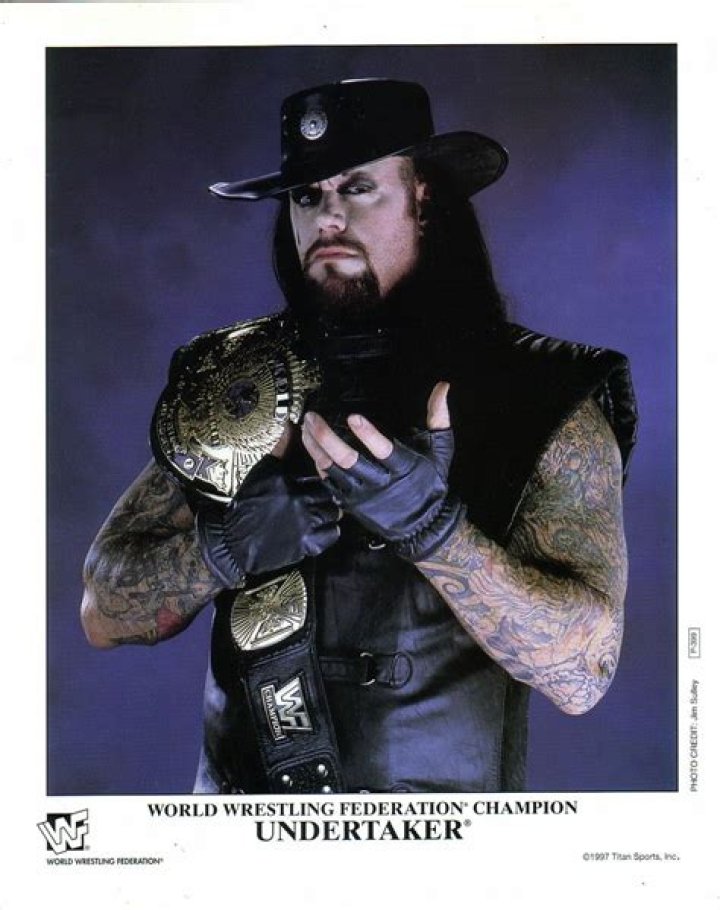
During the '80s, the WWE Championship was pretty much dominated by Hulk Hogan. Hogan was the champion from 1984 to 1988. In that period, Hogan wore a few different championship belt designs. In 1988 though, a new design was introduced for the WWE Championship. It would go on to be the most beloved and iconic version of the WWE Championship.
The belt would be commonly referred to as "The Winged Eagle," and would be a staple in WWE for 10 years. In 1998, after "Stone Cold" Steve Austin won the WWE Championship at WrestleMania XIV, he was awarded a new championship belt, ending The Winged Eagle's legendary tenure.
8 Current WWE Tag Team Championships: 11 Years

WWE's tag team division has been at a low point for over a decade now. Except for The New Day and The Usos, WWE hasn't had many impressive duos recently. The low point coincides with what many wrestling fans consider to be the ugliest Tag Team Championship belts in WWE history.
The new belts debuted in 2010 and originally had a bronze center and side plates on a black strap. After the 2016 brand split, both Raw and SmackDown kept the same belt design but tweaked the color of the plates and straps. It's been 11 years now since those titles debuted and many fans think it's time for an upgrade.
7 Classic WWE Intercontinental Championship: 12 Years

The WWE Intercontinental Championship has been one of the most prestigious championships in all of pro wrestling since its debut in September of 1979. In 1986, however, the championship took on the iconic form that most fans remember it for. The new Championship design was first worn by Tito Santana but was first closely associated with "Macho Man" Randy Savage.
RELATED: 5 Best Intercontinental Champions Ever (& Their Best Match)
The Reggie Parks title design would go on to become iconic and would be held by some of the greatest WWE performers ever. The belt was retired in 1998 when WWE updated their Intercontinental and World Championships. A similar design made a comeback in 2011 and was used on a white strap until 2019.
6 WWE Women's Championship: 12 Years

Women's wrestling hasn't always been a priority in WWE. During the '80s, The Fabulous Moolah and Wendi Richter both held versions of the WWE Women's Championship, but they weren't exactly memorable. In the '90s, Alundra Blayze was the flag bearer for the women of WWE and her pink-strapped WWE Women's Championship was somewhat memorable but mostly for going in the trash.
Ironically enough, during the era where WWE objectified women the most, the Attitude Era, they also introduced their most iconic Women's Championship ever. The oval design and yellow gold made the belt look great. Additionally, the red lettering in the center plate made the belt pop. The design was used from 1998 to 2010 when the belt was retired.
5 Oval-Shaped WWE Intercontinental Championship: 13 Years

During the late '90s, WWE was attempting to switch up their overall appearance. The company was switching to a more attitude-based mentality and it was decided that some of their championships should get a makeover too. The iconic WWE Intercontinental Championship design that had been the standard for over a decade was one of the belts that received a face-lift.
The new design wasn't egregious and was a bit similar to the classic design. The biggest difference was the oval center plate and the purple strap that was used at the time. The oval Intercontinental Championship would end up having a 13-year tenure and would be retired in 2011.
4 Classic WWE United States Championship: 17 Years

The United States Championship can be traced back to the territory days. In the '90s, the United States Championship was WCW's equivalent to the WWE Intercontinental Championship. The '90s design of the belt was pretty similar to the WWE Intercontinental Championship.
In 2003, WWE would reintroduce the United States Championship under their umbrella. The new belt design would be significantly smaller than any of its predecessors, but it had its charm. The U.S. flag-inspired centerplate made the belt pop. Surprisingly, the United States Championship would remain untouched until 2020 when a new version was introduced, ending the former's tenure at 17 years.
3 Classic WWE Tag Team Championships: 17 Years

The '80s are widely considered by wrestling fans to be the golden age of tag team wrestling, particularly in WWE. Coincidentally enough, that's also the era where WWE introduced one of the most beloved championship belt designs ever, the classic WWE Tag Team Championships.
RELATED: WWE Tag Team Titles: The 10 Best Belt Designs, Ranked
Over the years, the belts were tweaked here and there. The side plates would be updated and the center plate would be dual plated at times, but at its core, the design remained the same for a whopping 17 years. The classic WWE Tag Team Championships would be retired in 2002 when WWE implemented their first brand split.
2 The Big Gold Belt: 27 Years

In the '80s, WWE's biggest competitor was Jim Crockett Promotions who was a part of the NWA. In 1986, Jim Crockett had a new World Heavyweight Championship commissioned for "Nature Boy" Ric Flair. The belt's massive gold center plate earned it the nickname "The Big Gold Belt."
The Big Gold Belt served as the NWA World Heavyweight Championship until 1991 when it became recognized as the WCW World Heavyweight Championship. It was used as the WCW Championship until 2001 when the company closed. From there, it went on to serve as the World Heavyweight Championship in WWE from 2002 to 2013, ending its tenure at 27 years.
1 The 10 Lbs Of Gold: 48 Years
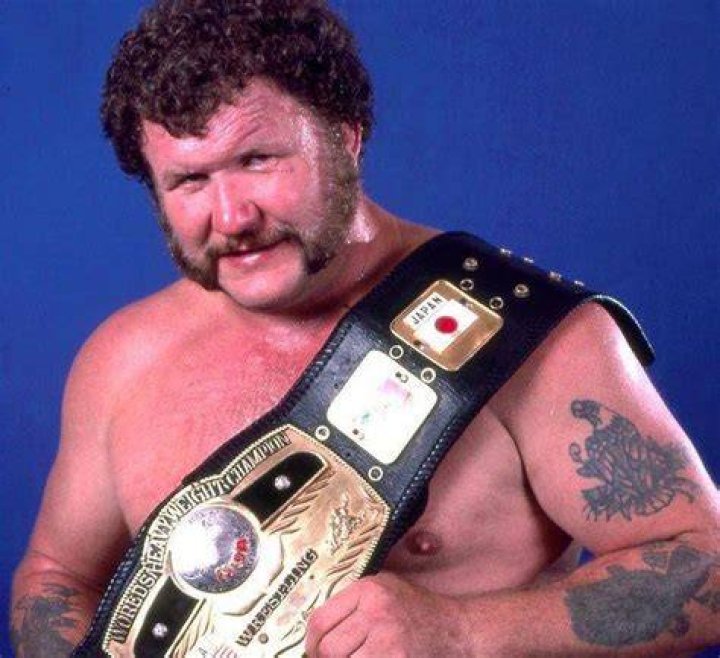
There have been many memorable championship belts throughout pro wrestling history. However, there has only been a handful that were truly iconic. There's one championship belt, in particular, that has stood the test of time in a way that no other championship has. The domed globe NWA World Heavyweight Championship aka "The 10 Lbs Of Gold" has been a pro wrestling staple for over 40 years.
The belt debuted in 1973 and was first awarded to the legendary Harley Race. It was retired in 1986 when The Big Gold Belt was introduced, but it was revived in the 90s and has existed in various promotions, namely TNA, since then. Currently, the belt is once again the top prize in the NWA and has been held by some of modern-day pro wrestling's biggest stars, including Cody Rhodes.